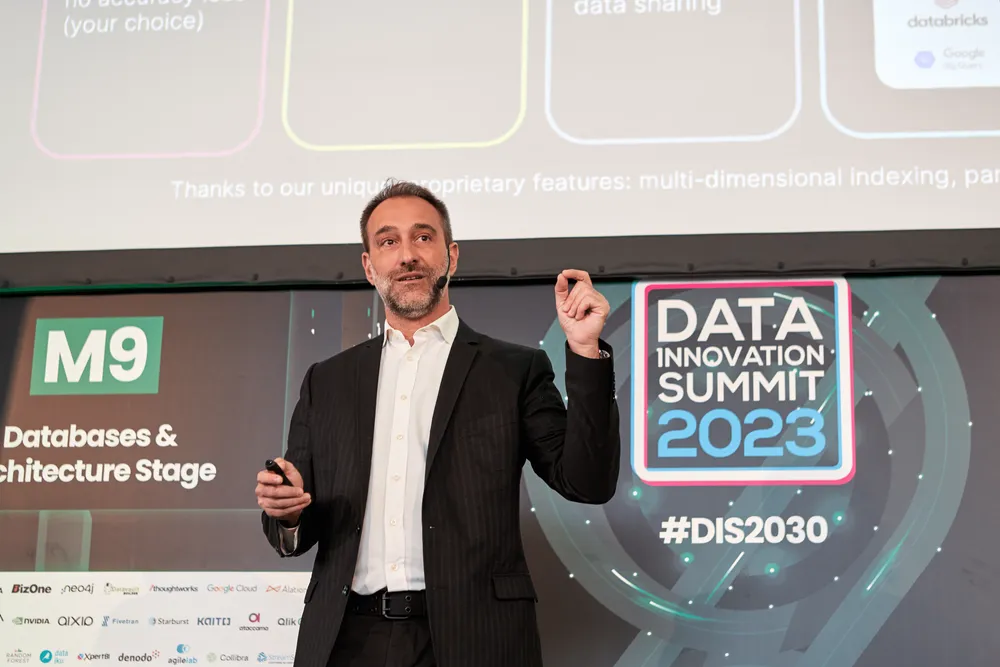
Led by May, an expert in workflow automation, the event demystified Artificial Intelligence (AI) as something exclusive to large corporations and demonstrated how small businesses can gain massive leverage through the strategic use of technology.
A New Era of Efficiency: From Rules to Context
The current industry landscape has shifted radically with the arrival of AI. Previously, automation relied on rigid "if-this-then-that" rules. Today, AI has provided machines with context, allowing them to "understand" rather than just follow instructions. During the session, May highlighted that what used to require a team of five people can now be managed by a single professional supported by the right workflows.
When to Automate (and When Not To)
One of the most debated points was the discernment of which processes deserve to be automated. According to May, the ideal candidate is any task that is repetitive, rule-based, high-volume, or error-prone. Conversely, it is not recommended to automate processes that are not yet defined, tasks with critical risks that do not allow for a human review step, or activities that only occur once a month.
The key is not the technology itself, but clarity regarding one's own process. "The real skill is seeing your own process clearly enough to draw it on a napkin," May noted during the talk.
Practical Use Cases: Content, Email, and Knowledge
The fundamental difference lies in reliability. While a manual six-step process might take 45 minutes and be prone to human error, an automated system reduces that time to just three minutes of supervision, running consistently even at 2:00 AM.
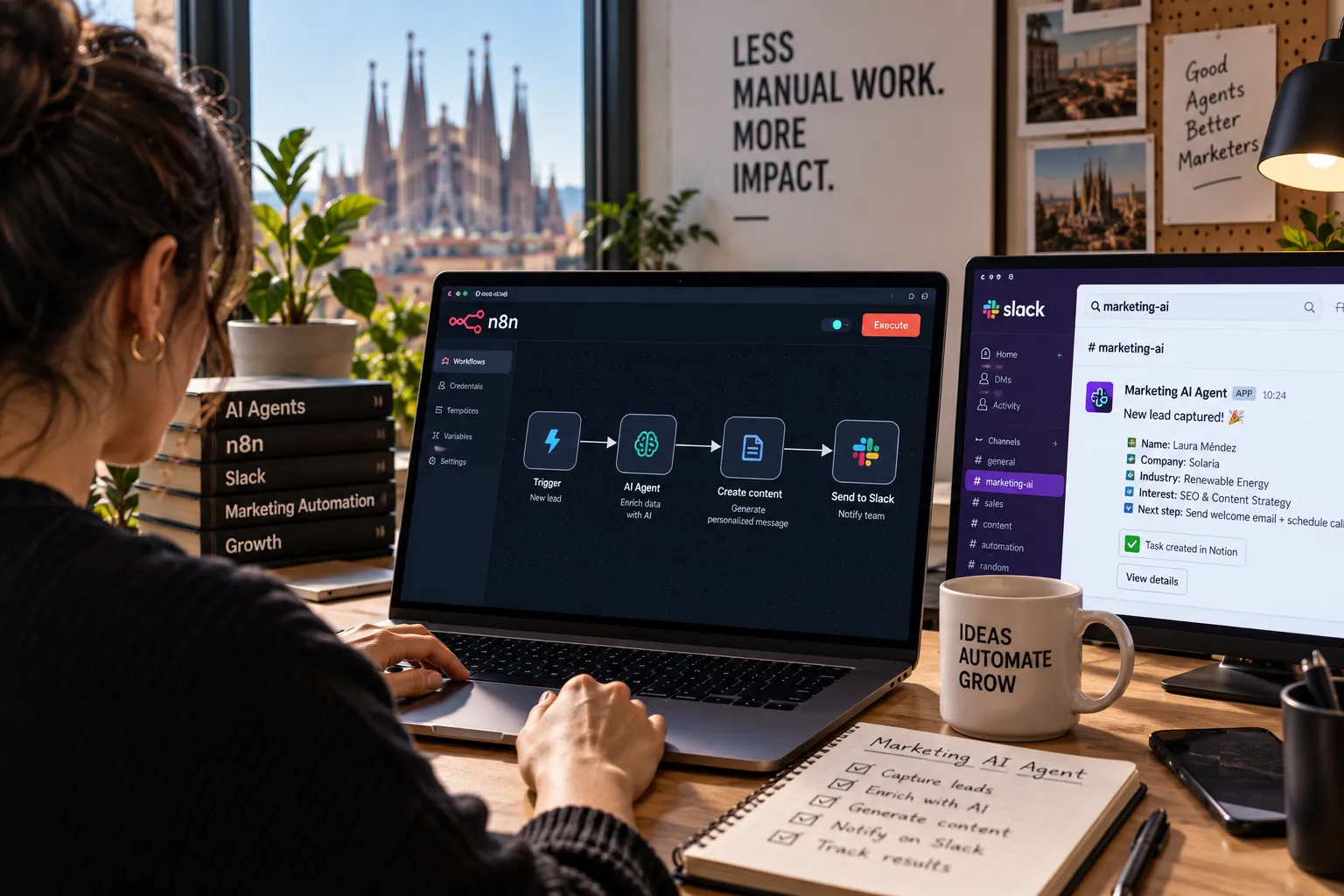
- Multi-platform Content Creation: Through a live demo using the tool n8n, May showed how to transform a single piece of content into platform-ready posts for LinkedIn, Instagram, and email automatically. The impact is significant: production time drops from 3 hours to just 30 minutes of final review, allowing a creator to scale from 2 to over 5 weekly posts without hiring additional staff.
- Email Triage: Inbox management is often a major bottleneck. May presented a system that categorizes incoming emails, searches for client history, and drafts a response based on previous interactions. This allows support teams to focus on reviewing and sending rather than drafting from scratch, improving quality and reducing burnout.
- Knowledge Management Systems (RAG): To prevent institutional knowledge from depending on a single person, the use of vector databases was proposed. By uploading documents to this system, any team member or client can perform queries and get precise answers based exclusively on the company's material, eliminating the "hallucinations" typical of generic AI.
The Community Perspective
One of the most enriching moments of the workshop was the debate on the future of AI interfaces. The concept of the MCP Protocol (Model Context Protocol) was introduced as the next level of integration, allowing native AI interfaces to interact directly with marketing tools and customer data (such as HubSpot) to generate real-time personalized campaigns based on previous results.
The collective intelligence of the community agreed that a professional's value no longer lies solely in "doing," but in knowing how to "orchestrate." Technical curiosity and the ability to design logical flows are now just as important as strategic marketing knowledge.
The workshop led by Yann made it clear that automation through AI agents is no longer the exclusive domain of software engineers. Tools like n8n allow marketing and product profiles to take control of their own workflows, gaining a level of productivity that was previously unthinkable.
For today's professional, the invitation is clear: AI should be seen as a multi-talented collaborator that, when well-directed, elevates the strategic quality of our campaigns. Applying this knowledge daily not only optimizes resources but positions the professional at the forefront of an industry that no longer waits for those who do not know how to automate.
Yann Klein
Senior Software Engineer | AI & Data Science Engineer and Educator
Yann Klein is a software engineer and data science educator with over 15 years of experience in full-stack development and AI. He has led bootcamps at Le Wagon Tokyo and builds innovative projects at the intersection of technology, education, and sustainability.
This piece was first published in DMK Tribe Magazine, issue 19, written by the DMK Tribe community after the workshop it reports on.