
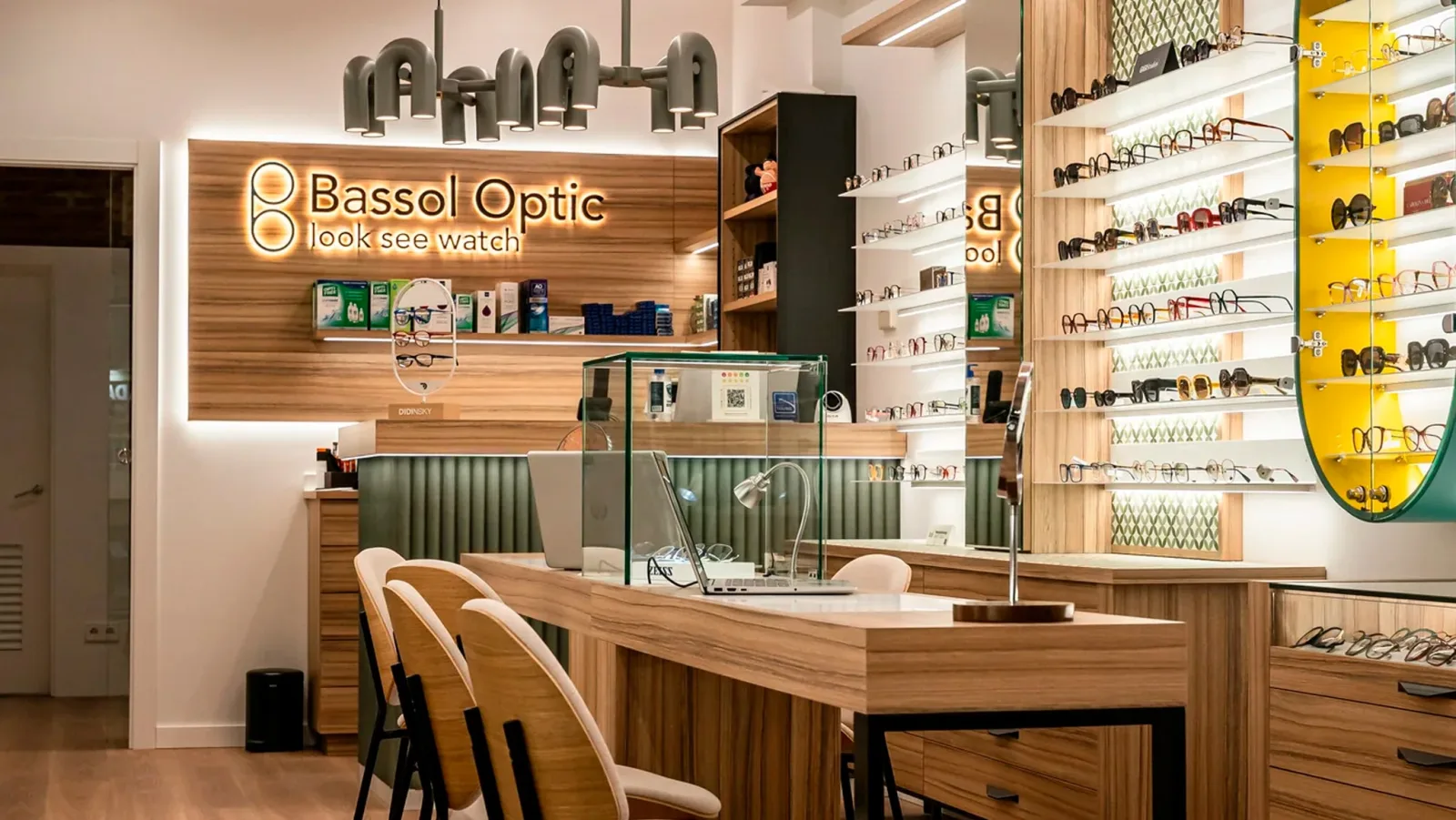
Óptica Bassol, a family-owned eyewear retailer that has sold from four stores in Barcelona since 1998 and online since 2011, has doubled its revenue year on year after rebuilding its ecommerce on a single Shopify setup, according to a case study published by Shopify on 7 October. Online sales now make up 90% of the business, which sells sunglasses and prescription frames from more than 20 suppliers in 25 markets and has more than €15 million in annual sales.
25 stores, one catalogue that never finished updating
The retailer used to run on Magento Open Source with roughly 100,000 products spread across 25 separate stores, one for each market. Price and discount rules had to be reindexed across all of them every night, and the jobs often ran long: the shop went down overnight or orders went through without the discounts they should have carried. "Every time we made a change, the store went down for half a day," said Abel Villa, the company's ecommerce manager, so even small changes waited for a release every 6 months.
Moving from Cloudways to raw AWS did not fix it. "We realised it wasn't a platform optimisation problem. It was a platform problem," Villa said. The company looked at Adobe Commerce, PrestaShop and BigCommerce before choosing Shopify, and hired Fantasticfy, a Shopify partner based in Barcelona, to do the migration. They piloted the build on a smaller storefront first and then folded every market into one setup.
What changed
A year and a half after switching, service interruptions have added up to only a few hours, against full days of lost sales a year before. Black Friday, which used to mean scaling servers by hand for three days of concentrated traffic, is now handled automatically, and Shop Pay accounts for 35% of the retailer's Shopify sales. "Before, we did a master's in CPUs and RAM. Now I can focus on my own area, which is marketing and ecommerce," Villa said.
The move had a cost: changing the URL structure caused an SEO dip that ran from March to December. Rankings have since recovered past their starting point, and compared with a year earlier revenue is now double. The figures come from Shopify's own case study.